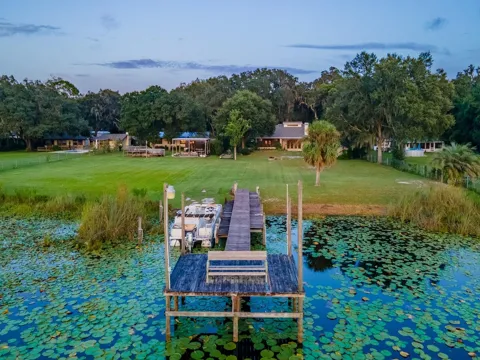
Ocala National Forest Springs
Welcome to Salt Springs, an unincorporated Marion County community at the edge of the Ocala National Forest, named for the first-magnitude mineral spring that anchors one of Florida's most scenic recreation areas.
Salt Springs is a small, unincorporated community in the eastern portion of Marion County, Florida, where the pine flatwoods and scrub of the Ocala National Forest roll toward the St. Johns and Ocklawaha rivers. The community takes its name from the natural mineral spring at its center, a first-magnitude spring whose clear, mineral-rich water has drawn people for centuries. The naturalist William Bartram visited and described the spring in 1774, well before the American Revolution, and Native peoples used the springs for thousands of years before European arrival. Today the Salt Springs Recreation Area, operated within the Ocala National Forest, is the community's centerpiece. It is widely described as one of the recreational jewels of the forest, offering swimming in the spring run, fishing, snorkeling, boating, hiking, and a developed campground. Salt Springs is one of four major springs in the forest, alongside Alexander, Juniper, and Silver Glen springs. The community itself is lightly developed, a mix of modest homes, mobile-home communities, and scattered rural parcels rather than a dense town. It sits roughly 35 miles east of Ocala, about 60 miles west of Daytona Beach, and about 95 miles north of Orlando, giving residents a deeply rural, nature-first lifestyle with city amenities within a day trip. Salt Springs is part of the Ocala Metropolitan Statistical Area, and daily life leans on the surrounding forest and lakes rather than urban commerce. Salt Springs suits people who want proximity to the springs and the forest more than subdivision conveniences — campers, boaters, anglers, and retirees seeking quiet and low living costs. Schools are provided by Marion County Public Schools, and the community's unincorporated character means a lower-key pace than nearby Ocala or the Villages region.
Salt Springs is an unincorporated community in Marion County, Florida, in the county's eastern portion near Lake George and the St. Johns River. It is part of the Ocala Metropolitan Statistical Area, reflecting its location about 35 miles east of the city of Ocala.
Salt Springs is known for its namesake first-magnitude mineral spring, which anchors the Salt Springs Recreation Area in the Ocala National Forest. Naturalist William Bartram described the spring in 1774, and it remains a popular spot for swimming, snorkeling, boating, and camping.
Salt Springs sits roughly 35 miles east of Ocala along State Road 19, about 60 miles west of Daytona Beach and about 95 miles north of Orlando. Interstate 75 is reached through Ocala, while Interstate 95 is accessed near Daytona Beach.
Salt Springs is served by Marion County Public Schools, the district that covers all of Marion County, Florida. Students attend schools in the eastern portion of the county, with additional charter, private, and specialized options available in Ocala and nearby communities.
The Salt Springs Recreation Area offers swimming and snorkeling in the spring run, fishing, boating, hiking, and camping. The surrounding Ocala National Forest adds trails, paddling, and the springs at Alexander, Juniper, and Silver Glen, while Lake George and the St. Johns River extend the water access.
City Guide
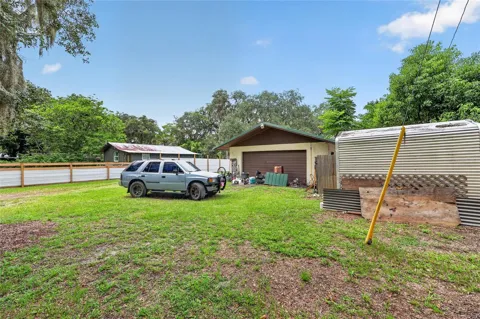
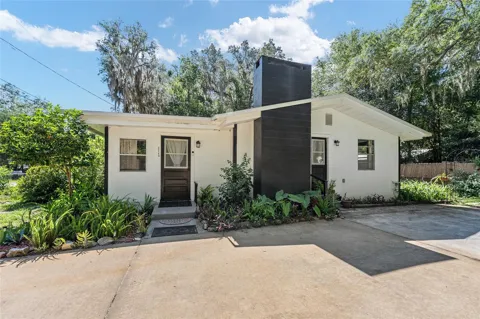
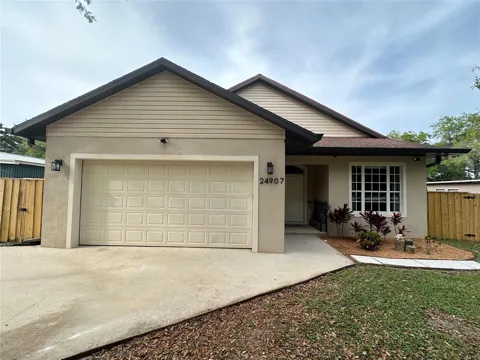
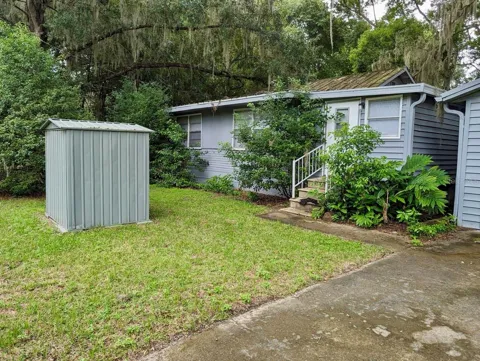
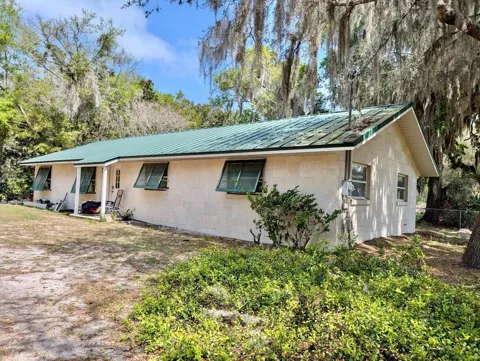
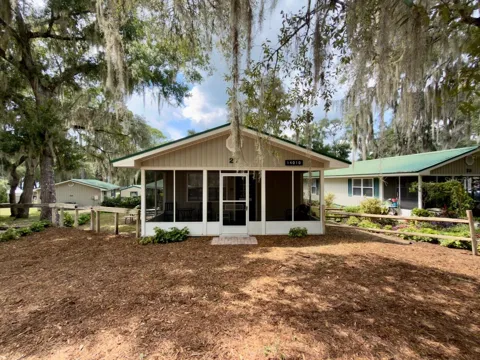
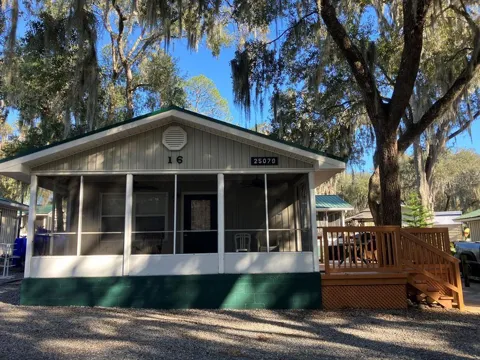
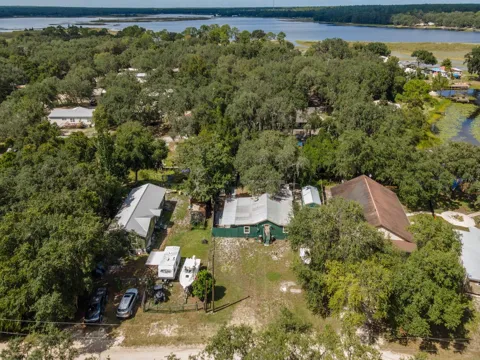
Housing in Salt Springs is modest and varied, reflecting its unincorporated, forest-edge character. The area includes older single-family homes, manufactured and mobile homes, and small subdivisions such as Ponderosa and Salt Springs Resorts that date to the 1970s and 1980s. Lots tend to be larger than in suburban Ocala, and many properties back up to woods or wetlands. Living costs are low by Florida standards, and buyers here typically trade proximity to shopping and services for space, quiet, and quick access to the Ocala National Forest.
Salt Springs has no traditional downtown; instead, development clusters along State Road 19 and County Road 314 and around named subdivisions. Ponderosa and Salt Springs Resorts are among the older, established communities, composed of modest detached and manufactured homes. Beyond them, scattered acreage and forest-front lots define the area. Lake George and the St. Johns River lie nearby, and several smaller lake communities dot the surrounding countryside.
Life in Salt Springs is quiet and outdoor-oriented. Residents spend weekends swimming and snorkeling in the spring run, fishing the St. Johns and Ocklawaha rivers, and boating on Lake George. Camping, hiking, and wildlife watching in the Ocala National Forest are everyday options. Dining and shopping are limited to a few local spots, with fuller services in Ocala, Palatka, or Daytona Beach. The community is popular with retirees, boaters, and seasonal visitors drawn by the springs.
Salt Springs is served by Marion County Public Schools, the district covering all of Marion County. Students in the area attend schools in the eastern part of the county, with bus routes reaching the rural community. For families seeking charter, private, or specialized options, Ocala and nearby towns offer additional choices, and higher education is available at institutions in Ocala and the broader Central Florida region.
Salt Springs sits on State Road 19, the main corridor through the Ocala National Forest, connecting south toward State Road 40 and Ocala and north toward Palatka. The community is about 35 miles east of Ocala and Interstate 75, roughly 60 miles west of Daytona Beach and Interstate 95, and about 95 miles north of Orlando. Driving is essential, and the nearest commercial air service is reached through Orlando, Daytona Beach, or Jacksonville airports.
The Salt Springs Recreation Area is the defining amenity, offering swimming and snorkeling in the spring, boating and fishing, a nature trail, and a developed campground. The surrounding Ocala National Forest adds hiking, paddling, and access to the springs at Alexander, Juniper, and Silver Glen. Lake George and the St. Johns River provide additional boating and fishing, while hunters and off-road riders use the forest's trails and wildlife areas. Natural beauty and water access define recreation here.
MARKET SNAPSHOT
How homes have been selling here over the last 90 days.
Market data reflects closed sales over the last 90 days and is provided for informational purposes.
BROWSE BY ZIP
Browse listings by postal code in this area.